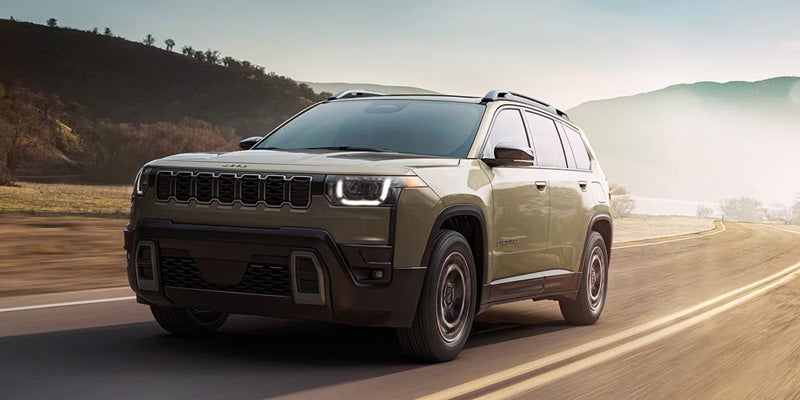





The federal tax code is not famous for producing moments of automotive excitement. Yet Section 179 contains a provision that might make a business owner look at a Ram pickup or Jeep SUV with renewed enthusiasm. For qualifying businesses in Alexandria, Arlington, Springfield, and the Washington, D.C., area, purchasing a work vehicle in 2026 could deliver a substantial first-year tax deduction. How Section 179 Works in 2026 Section 179 allows eligible businesses to deduct qualifying equipment purchases in the year the equipment enters service instead of spreading depreciation across several years. For tax years beginning in 2026, the maximum deduction is $2,560,000, with reductions beginning when qualifying equipment purchases exceed $4,090,000. That's the overall business limit, not a deduction automatically available for every vehicle. The deduction is also subject to taxable business income and other IRS requirements. The 6,000-lb. Question Vehicle eligibility hinges partly on Gross Vehicle Weight Rating, or GVWR, which represents the manufacturer's maximum permitted loaded vehicle weight. It's not the vehicle's curb weight. Many vehicles rated above 6,000 lbs. escape ordinary passenger-car depreciation limits, but heavy passenger SUVs rated between 6,001 and 14,000 lbs. generally face a separate $32,000 Section 179 cap for 2026. Certain pickups with cargo beds at least 6 feet long, qualifying cargo vans, and other exempt configurations receive different treatment. That makes checking the exact vehicle's door-jamb certification label essential. Ram Trucks: Business Equipment with License Plates For Alexandria contractors, landscapers, and service businesses, Ram pickups deserve attention. Ourisman Chrysler Jeep Dodge of Alexandria has 2026 Ram 1500 configurations, including Big Horn®, Rebel®, and Warlock models. These trucks can exceed the 6,000-lb. GVWR threshold, although the shorter 5-foot-7-inch beds found on certain Crew Cab models can affect which Section 179 limits apply. A qualifying Ram 1500 with a bed exceeding 6 feet, or a properly configured Ram 2500, may receive more favorable treatment. The right choice depends on the specific truck and its working duties. Jeep SUVs for Businesses on the Move Not every business needs a pickup bed. The dealership also has 2026 Jeep Grand Wagoneer models, including Upland and Limited Reserve configurations. These substantial SUVs may appeal to businesses transporting clients, personnel, or equipment. Their potential Section 179 treatment depends on GVWR, business-use percentage, and the heavy-SUV deduction cap. The Grand Wagoneer's considerable size doesn't automatically make its entire purchase cost deductible under Section 179. Business Use Is the Deciding Factor A qualifying vehicle must be used more than 50% for eligible business purposes, with deductions calculated according to actual business use. Driving between job sites or visiting customers may count; ordinary commuting generally doesn't. Businesses must maintain adequate mileage and purchase records. Eligible vehicles also need to be placed in service during the relevant tax year. Additional first-year bonus depreciation may be available under current federal rules, but its interaction with Section 179 and Virginia tax treatment deserves professional review. Find Your Business Vehicle at Ourisman CDJR of Alexandria A vehicle purchase should begin with the work it needs to perform, followed by the tax advantages it may provide. Visit Ourisman Chrysler Jeep Dodge of Alexandria to explore available Ram trucks and Jeep SUVs, compare configurations, and confirm vehicle weight ratings. Schedule a test drive and consult your tax professional before purchasing to determine how Section 179 could benefit your business.